
Introduction
Search Engine Optimization (SEO) has become a cornerstone of digital marketing. It ensures that websites, content, and brands are discoverable by the right audience at the right time. Effective SEO not only drives organic traffic but also enhances user experience, builds credibility, and supports other marketing efforts. This article explores the impact of SEO on digital marketing performance and why businesses cannot afford to ignore it.
1. Driving Organic Traffic
SEO primarily aims to increase visibility on search engines like Google, Bing, and Yahoo. By optimizing website content, meta tags, and site structure, businesses can rank higher for relevant search queries. Higher visibility leads to more organic traffic, which is often more qualified than paid traffic because users actively search for products or information. Increased traffic provides a foundation for conversions, sales, and brand growth.
2. Enhancing User Experience
SEO involves more than keywords and backlinks; it emphasizes creating a seamless user experience. Website elements such as fast loading speed, mobile responsiveness, intuitive navigation, and clear content structure contribute to better SEO performance. A positive user experience encourages visitors to stay longer, explore more pages, and return in the future, boosting engagement metrics and search rankings.
3. Improving Brand Credibility and Trust
Websites that rank highly on search engines are perceived as more credible and authoritative. Effective SEO signals that a business is reliable and relevant in its industry. Incorporating high-quality content, obtaining backlinks from reputable sources, and optimizing technical elements contribute to this trust. Strong SEO presence enhances brand reputation and increases the likelihood of conversions.
4. Supporting Content Marketing
SEO and content marketing are closely intertwined. Optimizing content for search engines ensures that blogs, videos, and guides reach the intended audience. Keyword research helps content creators address topics users are actively searching for, increasing engagement and relevance. SEO also ensures that high-quality content contributes to long-term visibility and inbound traffic growth.
5. Cost-Effectiveness Compared to Paid Advertising
While paid advertising can generate immediate traffic, SEO provides sustainable, long-term results with relatively lower costs. Organic traffic does not require continuous investment in ads, making it cost-effective for businesses looking for consistent online presence. Although SEO requires time, effort, and expertise, its cumulative benefits often surpass short-term paid campaigns.
6. Supporting Local and Mobile Marketing
Local SEO helps businesses connect with nearby customers by optimizing for location-based searches. This is particularly valuable for small businesses, restaurants, or service providers targeting specific areas. Mobile SEO ensures that websites are accessible and functional on smartphones, which is critical as mobile searches continue to grow. Both strategies improve discoverability and drive targeted traffic.
7. Enhancing Conversion Rates
SEO not only attracts visitors but also improves the likelihood of conversion. Optimized content aligns with user intent, making it easier for visitors to find solutions or products they are seeking. Clear calls-to-action, informative content, and intuitive design guide users through the customer journey, increasing the chances of completing purchases or inquiries.
8. Data-Driven Insights for Marketing Strategy
SEO tools provide valuable insights into audience behavior, search trends, and content performance. Businesses can analyze which keywords drive traffic, how users interact with pages, and where drop-offs occur. These insights inform broader digital marketing strategies, including Digital Marketing content creation, social media campaigns, and paid advertising, ensuring all efforts are aligned for maximum performance.
9. Long-Term Competitive Advantage
Investing in SEO builds a long-term competitive advantage. Unlike paid campaigns that stop delivering results when budgets run out, strong SEO maintains visibility over time. Consistently optimized content, authoritative backlinks, and technical improvements ensure that businesses remain competitive in search rankings, attracting new customers while retaining existing ones.
10. Integrating SEO with Other Digital Marketing Channels
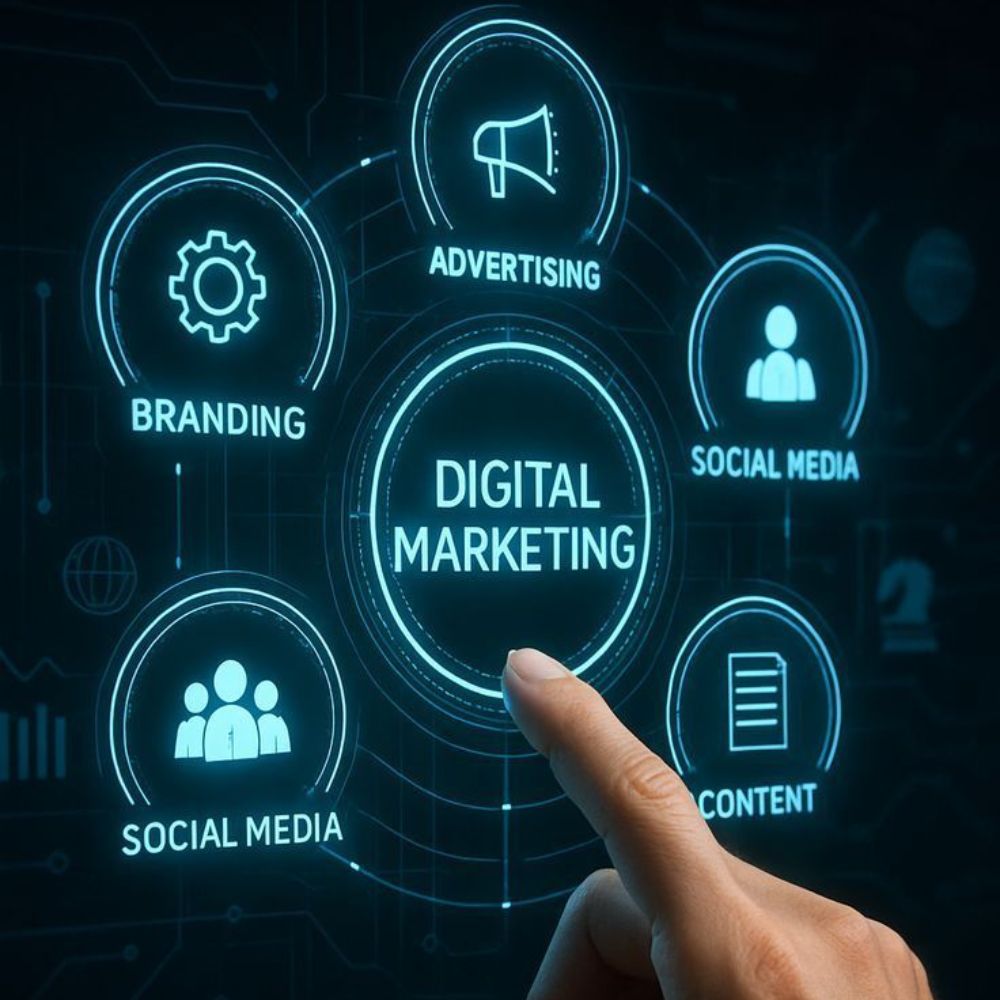
SEO enhances the effectiveness of other digital marketing channels. Social media, email marketing, and paid advertising all benefit from strong SEO foundations. For example, SEO-optimized landing pages improve the conversion potential of paid campaigns, while search insights guide social media content. Integration ensures a cohesive marketing approach and maximizes overall performance.
Conclusion
SEO has a profound impact on digital marketing performance by driving organic traffic, improving user experience, building credibility, and supporting other marketing efforts. Its cost-effectiveness, long-term benefits, and ability to inform strategy make it essential for businesses of all sizes. By investing in SEO and integrating it with broader marketing initiatives, businesses can achieve sustainable growth, stronger engagement, and a competitive edge in the digital landscape.